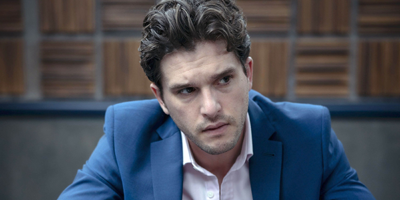
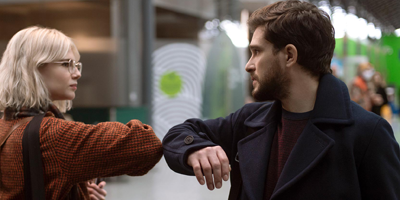
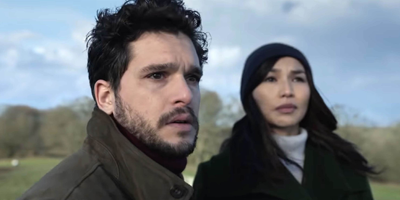
Game of Thrones’ Jon Snow opens up to Gavanndra Hodge
There was a time, not so long ago, when Kit Harington, the brooding, battle-weary hero of the global television phenomenon Game of Thrones, considered giving up acting. He had spent eight gruelling seasons and nearly all his 20s playing Jon Snow, who, in the final episode of the show, has to kill Daenerys Targaryen, the woman he loves, because she has become an unhinged tyrant who thinks it’s OK to incinerate thousands of innocents with her massive dragons.
Harington wept at this scene during one of the cast read-throughs. “I cried a lot in the last season, just out of sheer fatigue,” he says. “But I was feeling pretty emotional that day. I think it was more to do with Emilia [Clarke, the actor who played Daenerys], more about the people around me and the story coming to an end.”
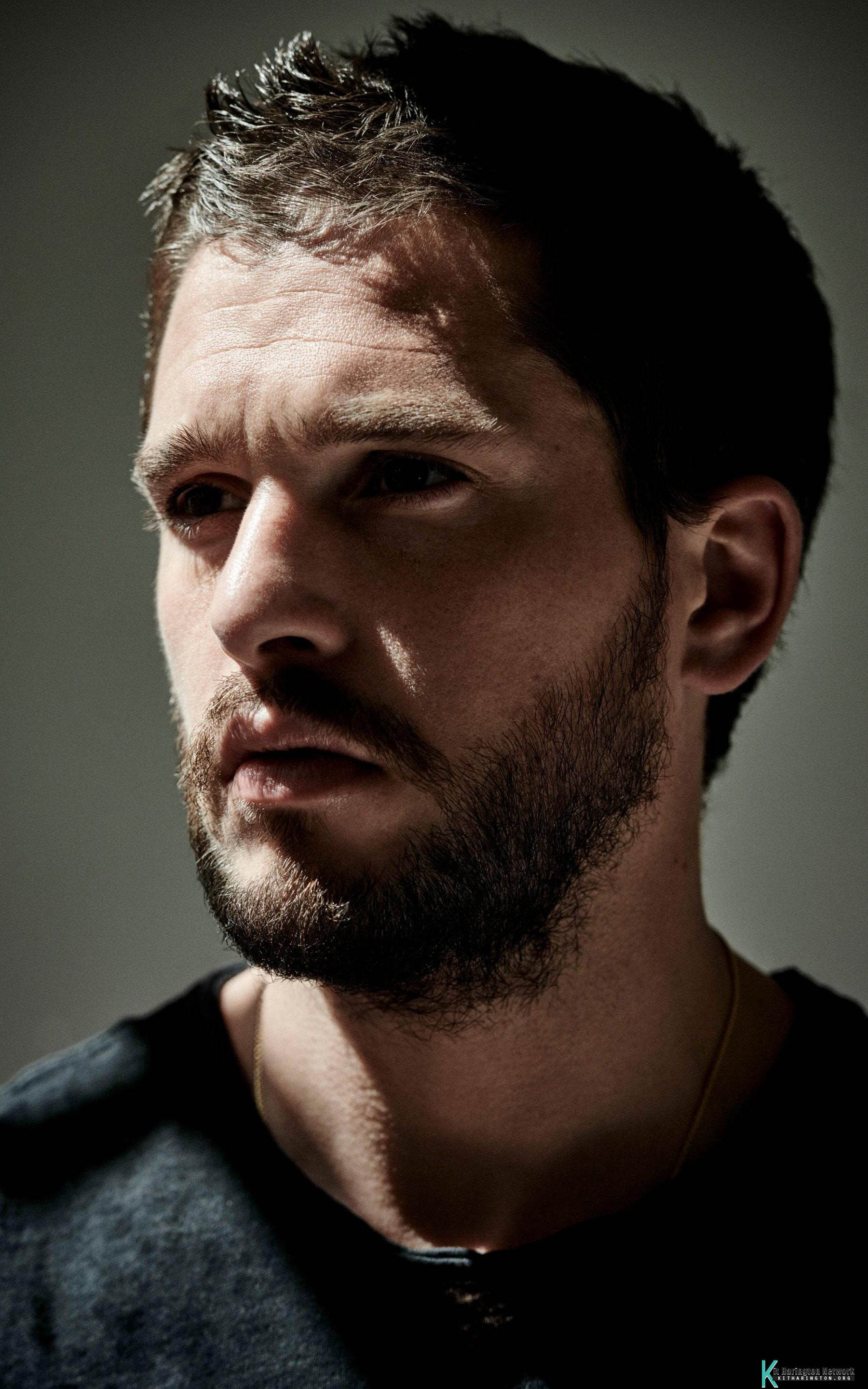
We are speaking in a photographic studio in Hoxton, the roast chicken that Harington’s assistant has fetched for his lunch cooling on the coffee table between us (“I can’t eat and talk”). He looks box-fresh, just like the black T-shirt, grey jeans rolled up to mid-calf and grey plimsolls he’s wearing; his shaggy beard is trimmed, his shoulder-length warrior ringlets shorn away.
It’s a little strange to meet someone and be surprised that they look like they’ve recently showered, but we’re more used to seeing Harington smeared with the roiling mud and blood of Westeros, so this general vibe of buffed well-being feels new, as does the laid-back grace with which he approaches being interviewed (in past encounters he has seemed rather tense and reserved – channelling Jon Snow a little too hard, perhaps).
It turns out that Harington, 33, has had a good lockdown. He and his wife, the actor Rose Leslie, who, as the wildling Ygritte, claimed Harington’s on-screen virginity in a thermal spring in season three of Game of Thrones, decamped from their north London home to their 15th-century house in Suffolk in March.
“I did not set myself the task of writing the next big novel or learning an instrument, and failing,” he says. “I gave myself a break from the get-go. I took the opportunity to reflect, to sit with myself, and for the most part that was what I achieved.” Continue reading »